
Introduction
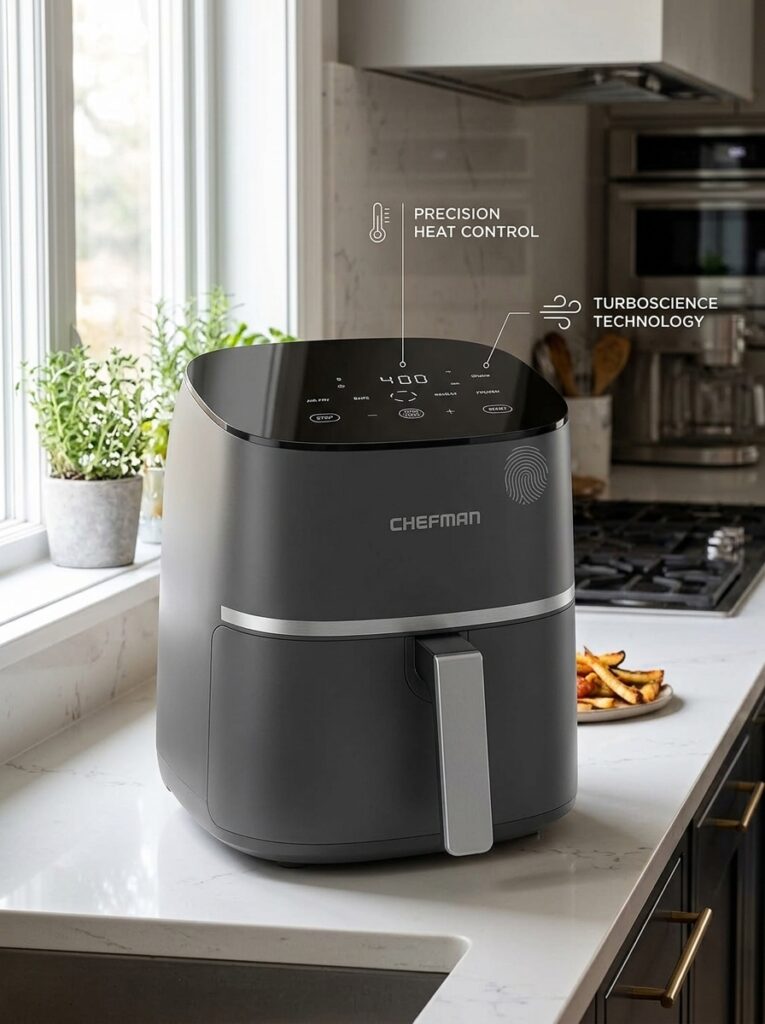
The kitchen landscape has shifted noticeably over the past few years, with air fryers becoming a staple appliance in many households. What once seemed like a novelty has evolved into a legitimate cooking method that countless people incorporate into their daily meal preparation. The Chefman TurboX 4-in-1 represents one approach to this category of appliances, combining multiple cooking functions into a single unit with a 5-quart capacity.
This article explores what this particular air fryer offers, how it functions, and whether it might align with your cooking needs and kitchen setup. Rather than focusing on promotional language, we’ll examine the features, practical applications, and considerations that matter when evaluating a multifunctional air fryer for your home.
What Is an Air Fryer and How Does It Work?
Before diving into the specifics of this model, it helps to understand the underlying technology. Air fryers work by circulating hot air at high speeds around food, creating a crispy exterior through a process similar to convection baking but at higher temperatures and with more intense air circulation. This method requires little to no oil, which appeals to many home cooks interested in reducing fat intake while still achieving textural contrast in their meals.
The term “air fryer” itself has become somewhat generic, as the core technology remains relatively consistent across different brands. What varies is the size, wattage, timer precision, cooking surface design, and additional functions that manufacturers build into their units.
Key Features of the Chefman TurboX
5-Quart Capacity and Space Considerations
The 5-quart basket size positions this unit in the larger range of air fryer offerings. This capacity makes a noticeable difference in practical terms. A larger basket means you can prepare meals for four to six people in a single batch, or handle cooking for a small family without needing to cook in multiple rounds. For those living alone or in pairs, it also means you can prepare multiple portions and have leftovers, which some find convenient for meal planning.
However, a larger unit occupies more counter or cabinet space. The physical footprint of a 5-quart air fryer is considerably bigger than smaller 2 or 3-quart models, which is an important practical consideration for kitchens with limited surface area.
Multiple Cooking Functions
The “4-in-1” designation refers to four distinct cooking modes: air frying, baking, reheating, and cooking frozen foods. While air frying is the primary function most people associate with the device, having dedicated settings for other purposes suggests the manufacturer has calibrated temperature and time recommendations for these different cooking styles.
Air Fry Mode represents the standard function—using high-speed convection to cook food with minimal oil. This mode works well for foods that benefit from a crispy exterior, such as chicken wings, French fries, vegetables, and similar items.
Bake Mode operates at lower temperatures with different air circulation patterns designed to mimic conventional oven baking. This allows the unit to serve purposes beyond traditional “air frying,” such as preparing baked goods, though it’s worth noting that a traditional oven often provides better results for items like cookies or cakes where precise heat distribution matters significantly.
Reheat Mode specifically addresses warming previously cooked food while attempting to restore some textural quality rather than simply heating it through. This is particularly useful for leftovers that might otherwise become dried out.
Frozen Food Mode adjusts timing and temperature for foods that go directly from freezer to cooking, which is a practical feature for anyone who regularly cooks frozen items without thawing them first.
Digital Touch Controls
The touch control interface represents a shift from older dial-based or dial-and-button designs. Digital controls typically offer straightforward access to temperature, time, and function selection. This style of interface generally appeals to people who prefer clearly defined settings and enjoy visual feedback on what they’ve selected. Some people find touch controls more intuitive, while others prefer traditional knobs or buttons—this comes down to personal preference.
Dishwasher-Safe Components
The basket and accessories being dishwasher safe reduces the time spent on cleanup. This practical feature matters more to some households than others. For people with busy schedules or those who find hand-washing tedious, this capability adds value to the overall ownership experience. It’s worth verifying which components are actually dishwasher-safe versus hand-wash only before assuming everything goes in the machine.
How to Use the Chefman TurboX for Various Foods
Preparing Poultry
Chicken preparation encompasses several approaches with an air fryer. Whole chicken pieces like breasts, thighs, and drumsticks cook well, developing a browned exterior while remaining moist inside. Most recipes suggest preheating to around 375-400°F (190-200°C) for chicken pieces, with cooking times typically ranging from 12 to 20 minutes depending on thickness.
Chicken wings represent a popular air fryer application. The combination of high heat and circulating air helps render the skin and create the crispy texture that many people seek. Cooking wings often requires 15-20 minutes at similar temperatures, with occasional shaking of the basket to encourage even browning.
Ground chicken preparations—whether as patties, meatballs, or nuggets—also adapt well to this cooking method, though they may require checking midway through for even cooking.
Vegetables and Sides
A 5-quart capacity allows preparing substantial vegetable quantities for family meals. Broccoli, Brussels sprouts, zucchini, bell peppers, and similar items benefit from the dry heat environment. Most vegetables cook in 10-15 minutes at temperatures around 375°F (190°C), though denser items may need slightly longer.
French fries and potato-based sides are perhaps what air fryers are most famous for. Fresh-cut fries can achieve a textured result in 15-20 minutes at 380-400°F (193-204°C), while frozen varieties typically require 18-25 minutes. The exact timing varies based on cut thickness and potato moisture content.
Frozen Foods
Many people purchase air fryers specifically for cooking frozen items without thawing. Frozen chicken nuggets, fish fillets, frozen vegetables, and similar products often cook in half to two-thirds the time their oven instructions suggest. The dedicated frozen food mode is designed to account for the different heat conductivity of frozen items compared to fresh preparations.
Baked Goods and Sweet Applications
Using an air fryer for baking requires adjusted expectations. Cookies, brownies, and quick breads can cook in these units, though they may not achieve the same results as conventional ovens. The circulating air affects browning patterns and texture development differently than standard baking. Many people find that desserts come out slightly drier or cook faster than expected, requiring recipe adjustments and experimentation.
Who Might Find This Unit Suitable
Families and Group Meal Preparation
The 5-quart capacity makes this model particularly relevant for households cooking for multiple people regularly. If you’re preparing meals for a family of four or more, or frequently host gatherings, the larger basket reduces cooking cycles compared to smaller units.
People with Limited Oven Space
Some living situations—small apartments, RVs, or homes with only compact ovens—benefit from having a supplementary cooking appliance. An air fryer can function as a secondary cooking vessel, reducing the pressure on a conventional oven during busy meal preparation times.
Those Interested in Oil-Reduced Cooking
Anyone prioritizing reduced oil consumption in their diet may appreciate an appliance designed to achieve crispy results with minimal added fat. While this doesn’t eliminate the need for some oil in most recipes, the quantity required is typically substantially lower than traditional frying or even standard oven baking.
Busy Schedules and Convenience-Focused Cooks
Quick cooking times appeal to people with demanding schedules. If you regularly cook frozen foods or simple proteins with vegetables, an air fryer can streamline meal preparation. The reduction in cleanup compared to traditional frying also appeals to time-conscious households.
Meal Prep Enthusiasts
The larger capacity supports batch cooking approaches. Someone preparing multiple meals at once or cooking proteins and vegetables for several days of meals can take advantage of the 5-quart size to prepare substantial quantities efficiently.
Important Considerations Before Purchasing
Counter Space and Storage
A 5-quart air fryer occupies meaningful space on your counter or in your cabinets. Before committing to this size, measure your available counter space and consider whether the unit’s footprint works with your kitchen layout. Some people find their air fryer becomes a permanent counter fixture; others rotate it in and out of storage.
Learning Curve and Recipe Adjustment
While air fryers are relatively straightforward to operate, achieving your preferred results for specific foods often requires experimentation. Cooking times and temperatures vary based on food density, moisture content, and individual air fryer design. Recipes from conventional ovens or stovetop cooking don’t always translate directly, requiring some trial and error.
Limitations in Capacity
Despite its larger size, a 5-quart capacity still has limits. You can’t cook an entire meal—vegetables, protein, and starch—simultaneously if they require different temperatures or cooking times. Most air fryer users develop strategies for sequential cooking or use multiple burners on their stovetop to coordinate meal components.
Noise Levels
Air fryers generate noise from the heating element and fan operation. While not necessarily loud, the sound is present and noticeable to many people. If you have sensitivity to appliance noise, it’s worth considering this aspect of the experience.
Initial Heat and Kitchen Temperature
Air fryers generate substantial heat, and a 5-quart unit produces more ambient heat than smaller models. In warm climates or during summer months, this can noticeably affect kitchen temperature, particularly in smaller spaces.
Cleaning and Maintenance
While dishwasher-safe components reduce hand-washing, the main unit itself requires manual cleaning. Food particles can accumulate in the heating element area, and regular maintenance ensures longevity and even cooking performance. Some people find the ongoing maintenance more involved than they initially anticipated.
Understanding the General Air Fryer Market
The air fryer category encompasses numerous brands and designs, each approaching the basic concept differently. Understanding how this segment functions helps contextualize any specific model within the broader market.
Size Variations
The market offers air fryers ranging from 2-quart individual units to larger 8-quart capacity models. Smaller units suit singles or couples with kitchen space limitations. Mid-range options (4-5 quarts) represent a compromise between capacity and size. Larger models serve commercial kitchens or large households but consume substantial counter space.
Price Positioning
Air fryer prices vary dramatically based on brand reputation, wattage, construction materials, and included accessories. More affordable options provide basic functionality, while premium brands often emphasize durability, precise temperature control, and additional features.
Cooking Performance Variations
Different models achieve varying results even when cooking identical items at the same temperature. Differences in heating element design, fan speed, basket material, and internal airflow patterns all influence outcomes. What works perfectly in one model might need slight adjustments in another.
Material and Durability Differences
Air fryer baskets vary between stainless steel, non-stick coating, and perforated designs. Each affects food contact, cleaning ease, and longevity. Premium models often feature higher-quality materials and construction expected to last many years with proper care.
Frequently Asked Questions About Air Fryer Cooking
How Often Does the Basket Need Shaking?
Many recipes recommend shaking or stirring the basket halfway through cooking to ensure even crisping. This practice matters more for some foods than others. Denser items and those requiring uniform browning benefit from shaking, while thin items might not need it. Individual results vary.
Can You Stack Food in the Basket?
Stacking food reduces air circulation, potentially resulting in uneven cooking. Most guidance suggests arranging items in a single layer without overcrowding, though some people achieve acceptable results with careful stacking for foods that don’t require optimal crispiness.
What Happens if You Don’t Preheat?
Preheating the air fryer—typically 3-5 minutes—allows it to reach the target temperature before you add food. Skipping this step means the initial portion of cooking time goes toward heating rather than cooking the food, potentially extending total time and affecting results.
Are Frozen and Fresh Cooking Times Very Different?
Yes, frozen items take substantially longer to cook than fresh equivalents because the appliance must first thaw the interior while cooking the exterior. Some air fryer guides suggest adding 5-10 minutes to standard cooking times when using frozen ingredients, though this varies considerably.
Does Food Need Oil?
Most air fryer cooking benefits from at least a light oil coating. While the appliance uses less oil than traditional frying, many recipes call for a minimal amount to enhance browning and texture. Some foods like pre-breaded items require no additional oil, while others cook better with even a light spray.
Can You Cook Multiple Different Foods Simultaneously?
Only if they require the same temperature and cooking time. Otherwise, sequential cooking or using multiple burners for components becomes necessary. This represents one practical limitation of air fryer cooking compared to conventional oven preparation.
How Do You Clean Hard-to-Reach Areas?
The heating element and interior surfaces can accumulate buildup over time. Some manufacturers recommend using soft brushes or cloths to carefully clean these areas between uses. Avoid harsh scrubbing that might damage heating elements or internal coatings.
Is Precooked Food Actually Easier to Reheat?
Reheating previously cooked food in an air fryer can preserve texture better than microwave reheating. The dry heat environment prevents the sogginess that sometimes results from microwave radiation. However, items won’t re-crisp to their original state—they’ll improve but not restore completely.
What’s the Typical Lifespan of an Air Fryer?
Quality air fryers often function reliably for 5-10 years with reasonable care. Lifespan depends on usage frequency, maintenance practices, and individual unit quality. Regular cleaning and avoiding damage to non-stick surfaces supports longevity.
Can You Use Parchment Paper or Accessories?
Many people use parchment paper, silicone liners, or purpose-built air fryer accessories. These can facilitate cleaning and prevent sticking, though they reduce air circulation slightly. Check manufacturer guidance before using non-original accessories to understand any limitations or safety considerations.
Practical Setup and Getting Started
Initial Setup
When you first receive an air fryer, most manufacturers recommend running a cleaning cycle—typically preheating to a moderate temperature for several minutes—to burn off any manufacturing residue. Following the included manual for your specific model ensures you start correctly.
Finding Your Preferred Temperature and Timing
Early cooking attempts often involve some adjustment from published recipes. Factors like your altitude, kitchen humidity, and even the specific batch of ingredients you use can affect timing. Keeping notes on what works helps you develop reliable personal preferences.
Investing in Accessories
Beyond what comes included, optional accessories like silicone liners, perforated liners for certain foods, or cooking racks designed for specific air fryer models can expand functionality. These aren’t necessary but do offer convenience for particular cooking applications.
Establishing a Routine
Successful air fryer use often involves developing habits—preheating before adding food, shaking the basket at specific intervals, or wiping the interior after each use. These routines support consistent results and easier maintenance.
Balancing Air Fryer Cooking with Your Overall Kitchen Approach
Rather than replacing your conventional oven entirely, many households integrate an air fryer as a complementary appliance. You might use your air fryer for quick weeknight meals while relying on your conventional oven for larger gatherings or baking projects. This approach maximizes the benefits of each cooking method without expecting the air fryer to handle every culinary task.
The larger capacity of a 5-quart unit makes this integration more practical for families than smaller air fryers, as you can prepare more substantial meals without multiple cooking cycles.
Final Thoughts on Countertop Cooking Appliances
Air fryers have established themselves as functional kitchen tools rather than passing trends. Whether this particular model aligns with your needs depends on your household size, available kitchen space, cooking preferences, and meal preparation patterns. Some people find them genuinely transformative for their cooking routine, while others use them occasionally as a convenient supplementary option.
The multifunctional design of this model broadens its potential applications beyond traditional air frying, though how much you use these additional functions depends on your cooking style. Someone who regularly bakes might appreciate the baking mode, while others focus exclusively on the air fry function.
The dishwasher-safe components and digital controls appeal to those valuing convenience and straightforward operation, though neither of these features is essential for successful air fryer cooking.
Conclusion and Next Steps
Understanding whether a 5-quart multifunctional air fryer fits your life requires honest assessment of your kitchen setup, meal preparation patterns, and cooking priorities. This article has explored what this category of appliance offers, how different cooking modes function, and what practical considerations matter when evaluating such a purchase.
If you’ve determined that a larger-capacity air fryer with multiple cooking functions aligns with your needs, you can check more details on Amazon here. Take time to read through the product specifications, customer feedback, and included features to ensure it matches your expectations.
For those still evaluating whether any air fryer makes sense for your household, remember that this appliance represents one approach to cooking among many. Your conventional oven, stovetop, and other existing kitchen tools remain valuable regardless of whether you add an air fryer to your setup.